
For decades, brand presence at major cultural gatherings followed a predictable playbook: pay a sponsorship fee, hang branded banners along the perimeter, set up a generic 10×10 tent, and distribute flyers or plastic trinkets.
In this current experience economy, consumers see right through passive placements. Audiences do not attend food, art, and music festivals to consume advertising; they attend for culture, connection, and immersion.
When a brand treats festival participation as a strategic experience ecosystem rather than a transactional advertising purchase, the dynamic shifts completely. Brands stop interrupting the experience and become a memorable part of it.
Here is what forward-thinking companies can learn from large-scale food and arts festivals to create high-impact audience engagements, with insights from the event design team at Tantacom.
1. Anchor on Authentic Cultural Storytelling
The most successful cultural festivals succeed because they stand for something specific. Platforms like Lagos’s Eko Flavours do not just show off food; they spotlight local heritage, empower emerging culinary talent, and celebrate community identity.
Brands looking to activate at scale must find their own authentic intersection with festival culture.
- Avoid Generic Messaging: Tailor your brand story to fit the specific theme, energy, and community of the festival.
- Empower Local Creators: Collaborate with regional artists, chefs, or performers to co-create your festival presence instead of bringing pre-packaged corporate assets.
- Highlight Shared Values: Focus on broader lifestyle themes like sustainability, community development, or creative innovation rather than pushing direct product features.
Authenticity is currency in live events. When your brand respects and elevates local culture, attendees accept you as an authentic participant.
2. Design for Active Participation, Not Passive Observation
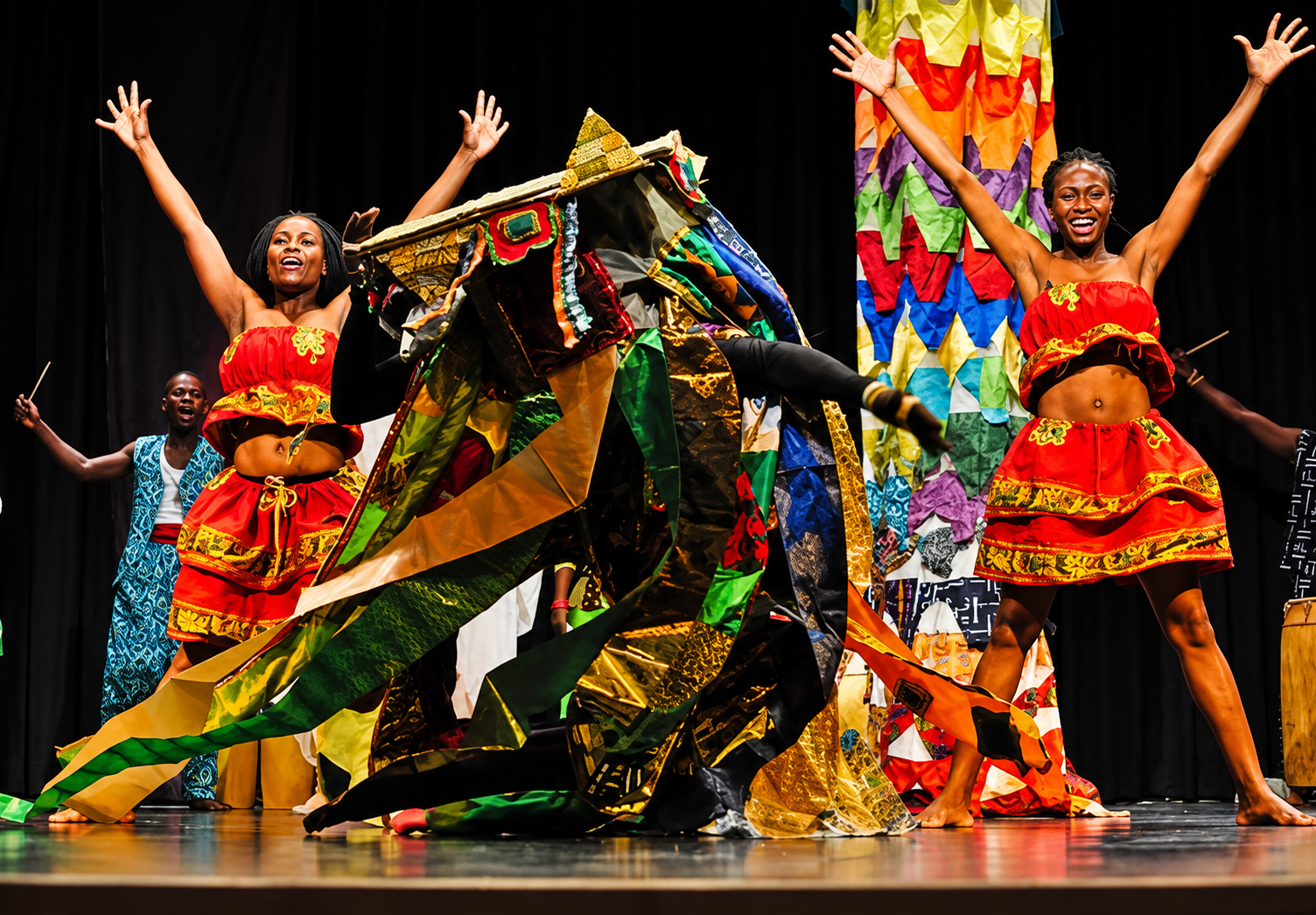
Massive art installations and live culinary showcases draw large crowds because they engage multiple senses simultaneously. Static, corporate booths fail because they treat festivalgoers as passive spectators.
To hold attention in high-energy, high-distraction environments, brands must design interactive environments.
Passive Sponsorship vs. Experiential Ecosystems
| Standard Festival Sponsorship | High-Impact Cultural Activation |
| Hanging logos around the stage perimeter | Co-creating interactive stage design or immersive sensory zones |
| Handing out promotional leaflets | Hosting live interactive masterclasses, competitions, or tastings |
| Static product display counters | Building multi-sensory lounges tailored for comfort and engagement |
To explore how creative staging and experiential strategy transform live environments, review Tantacom’s public experience solutions.
3. Solve Real Audience Pain Points on the Ground
At large-scale festivals, attendee energy drops over time due to heat, long walks, loud noise, or dead phone batteries. The fastest way to earn long-term brand affinity is to deliver utility at the exact moment of need.
- High-Speed Charging and Lounge Hubs: Provide shaded, comfortable seating areas with reliable phone charging options.
- Hydration and Wellness Stations: Set up clean water refills, misting stations, or quiet zones within high-traffic areas.
- Express Access Pathways: Offer VIP entry lanes or fast-track perks for existing app users, digital subscribers, or loyalty program members.
When your brand provides genuine relief during a long festival day, the positive brand association lingers long after the weekend ends.
4. Turn Physical Footprints into Digital Ecosystems
A festival setup should never be confined to its physical perimeter. The real scale of an activation happens when on-ground moments are shared across digital channels.
- Photogenic Micro-Environments: Build visual, highly stylized installations that naturally invite social media capture and sharing.
- Real-Time Content Production: Deploy dedicated media teams to capture high-energy moments, interviews, and behind-the-scenes content for real-time digital broadcasting.
- Digital Value Exchanges: Use QR code gateways to offer exclusive content, digital rewards, or entry into post-festival experiences. Discover how integrated campaign approaches listed on Adweek maximize field marketing performance.
5. Measure Multi-Dimensional ROI
Measuring the success of a festival activation requires looking beyond traditional headcount or estimated impression metrics. True event ROI assesses engagement depth and long-term brand lift.
- Dwell Time: How many minutes did attendees actively spend inside your branded activation space?
- Direct Touchpoints: How many people participated in live sampling, digital sign-ups, or interactive touchpoints?
- Post-Event Action: Track social media mentions, promo code redemptions, and sentiment shifts in the weeks following the activation.
Large-scale food and arts festivals prove that people crave real-world, shared experiences. For brands, the lesson is clear: stop buying ad space, and start building immersive experiences.
When you approach festival integration with cultural respect, functional utility, and creative staging, your brand stops being a sponsor and becomes an unforgettable part of the main event.