
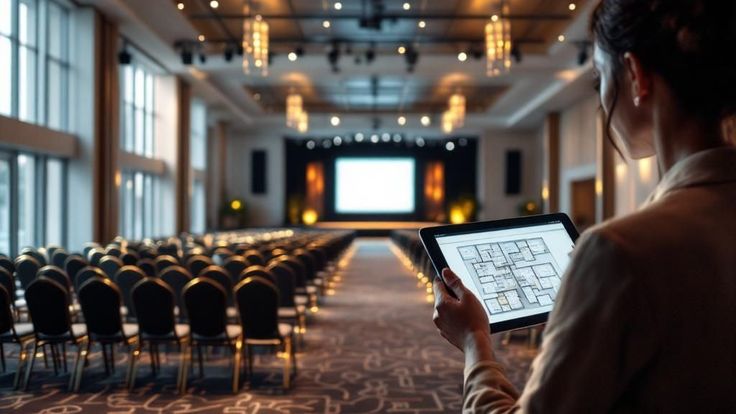
Planning a conference in Lagos requires careful coordination, clear objectives and attention to detail. From selecting the right venue to managing speakers, technology and attendees, every element contributes to the success of the event.
For businesses, conferences provide opportunities to share knowledge, engage stakeholders, introduce new ideas and build professional relationships. However, bringing these elements together requires more than booking a venue and preparing a programme.
Professional conference planning helps organisations manage the process efficiently while creating a valuable experience for attendees.
Whether you are organising a corporate conference, industry summit, leadership forum or business seminar, understanding the planning process can help you make better decisions and achieve your objectives.
What Is Conference Planning?
Conference planning is the process of organising and coordinating an event that brings people together to exchange information, discuss industry developments, share expertise or explore business opportunities.
It involves several activities, including:
- Defining conference objectives
- Identifying the target audience
- Developing the event programme
- Selecting and managing the venue
- Coordinating speakers and moderators
- Managing registration and attendee communication
- Arranging audiovisual equipment
- Coordinating catering and hospitality
- Planning event branding and signage
- Managing logistics and technical requirements
- Evaluating conference performance
Each activity contributes to the overall experience.
Therefore, effective conference planning begins with a clear understanding of what the organisation wants to achieve and what attendees should gain from participating.
Why Conference Planning Matters in Lagos
Lagos is an important commercial centre in Nigeria, attracting businesses, professionals, investors and industry stakeholders from different sectors.
As a result, conferences in the city can involve diverse audiences, multiple speakers, tight schedules and complex logistical requirements.
Organisers must consider venue accessibility, transportation, accommodation for travelling guests, registration processes, technical infrastructure and supplier coordination.
In addition, attendees expect a professional environment where they can hear speakers clearly, follow presentations, participate in discussions and network comfortably.
A structured planning process helps address these expectations before the conference begins.
With the right coordination, organisations can reduce avoidable disruptions and focus on delivering meaningful conversations and business outcomes.
Types of Conferences Businesses Can Organise
Conference planning should reflect the event’s purpose, audience and format. Different conference types require different approaches.
1. Corporate Conferences
Corporate conferences bring together employees, executives, clients, partners or other stakeholders.
They may focus on business performance, company strategy, industry developments or organisational priorities.
Successful planning requires a clear agenda, appropriate venue, effective communication and reliable technical support.
2. Industry Conferences
Industry conferences create opportunities for professionals to exchange knowledge, explore trends and discuss challenges affecting their sectors.
These events often feature keynote presentations, panel discussions, exhibitions and networking sessions.
Consequently, the programme must balance informative sessions with opportunities for audience participation.
3. Business Summits and Leadership Forums
Business summits and leadership forums bring senior professionals together to discuss strategic issues, opportunities and emerging developments.
Because attendees may have demanding schedules, organisers should prioritise efficient registration, well-structured sessions, suitable hospitality and clear communication.
4. Academic and Professional Conferences
Academic and professional conferences allow researchers, educators, specialists and practitioners to present findings and exchange ideas.
Depending on the format, these events may require presentation management, breakout rooms, poster displays, speaker coordination and digital access to conference materials.
5. Hybrid and Virtual Conferences
Hybrid conferences combine in-person attendance with online participation, while virtual conferences take place primarily through digital platforms.
These formats can expand audience reach. However, they also introduce additional requirements, including streaming technology, remote speaker coordination, online registration and technical support.
For hybrid events in particular, organisers must ensure that virtual attendees receive a meaningful experience rather than simply watching a camera feed.
The Conference Planning Process: Step by Step
A successful conference depends on decisions made well before the event day. Following a structured process helps organisers manage responsibilities, timelines and resources.
Step 1: Define Your Conference Objectives
Start by identifying the purpose of the conference.
Ask yourself:
- Why are we organising this conference?
- Who should attend?
- What topics should the conference address?
- What should attendees learn or achieve?
- How will we measure success?
For example, a business conference may aim to generate industry partnerships, while a leadership forum may focus on strategic discussions.
Clear objectives provide direction for the programme, venue, budget and communication strategy.
Step 2: Identify Your Target Audience
Understanding your audience helps shape the entire conference experience.
Consider their professional backgrounds, interests, expectations and reasons for attending.
For instance, a conference designed for senior executives may require a different programme and setting from an event aimed at early-career professionals.
Audience research can also help determine appropriate ticket pricing, session formats, communication channels and networking opportunities.
Step 3: Prepare a Realistic Budget
Conference costs vary depending on the event’s size, format, duration and complexity.
Your budget may include:
- Venue hire
- Stage and audiovisual production
- Speaker fees and travel
- Catering and refreshments
- Registration technology
- Branding and signage
- Marketing and communications
- Transportation and accommodation
- Staffing and security
- Photography and video
- Virtual event platforms
- Contingency expenses
However, preparing a budget involves more than estimating individual costs. You should also establish spending priorities and identify expenses that may change as attendance or requirements evolve.
A detailed budget helps the planning team allocate resources appropriately and monitor expenditure throughout the project.
Step 4: Choose the Right Conference Venue
Venue selection affects accessibility, capacity, attendee comfort and technical requirements.
When comparing venues in Lagos, consider:
- Expected attendance
- Location and transport access
- Parking availability
- Seating arrangements
- Breakout rooms
- Internet connectivity
- Power supply and backup arrangements
- Accessibility requirements
- Catering options
- Equipment restrictions
- Installation and setup time
Furthermore, visit shortlisted venues before making a final decision whenever possible.
A venue may look suitable in photographs but have limitations that affect registration, stage design, networking or attendee movement.
Step 5: Develop an Engaging Conference Programme
The programme determines how attendees spend their time and what they gain from the conference.
A strong agenda should have a clear flow, with sessions arranged around the conference objectives.
Depending on the format, it may include:
- Opening remarks
- Keynote presentations
- Panel discussions
- Workshops
- Product or service demonstrations
- Networking breaks
- Question-and-answer sessions
- Closing remarks
Avoid filling every minute with presentations. Attendees also need time to reflect, ask questions and connect with other participants.
In addition, communicate session times clearly so that speakers, moderators, vendors and attendees understand the schedule.
Step 6: Coordinate Speakers and Stakeholders
Speakers are central to many conferences. However, managing their participation requires consistent communication.
Confirm availability, presentation topics, biographies, technical requirements and deadlines well in advance.
Where necessary, provide speakers with presentation guidelines and information about the audience.
Meanwhile, moderators should understand the session objectives and their responsibilities.
This preparation helps speakers deliver relevant content and reduces last-minute changes to the programme.
Step 7: Plan Registration and Attendee Communication
The attendee experience begins before people arrive at the venue.
Clear invitations, registration pages, confirmation emails and event reminders help participants prepare for the conference.
Your communication plan should explain the event’s purpose, date, venue, schedule and registration requirements.
For larger conferences, consider using registration technology to manage attendee information, check-in and attendance records.
As a result, the registration process can become more organised, while the team gains better visibility into attendance.
Step 8: Coordinate Event Production and Technology
Technology plays an important role in delivering a professional conference.
Depending on the format, production requirements may include microphones, speakers, presentation screens, lighting, stage design, video equipment and internet connectivity.
Hybrid conferences may also require streaming equipment, online platforms and support for remote presenters.
Technical rehearsals are particularly important. They help identify potential problems with presentations, sound, lighting and connectivity before attendees arrive.
For a deeper understanding of this area, read our guide to event production companies in Lagos.
Step 9: Manage Logistics and On-Site Execution
Even a well-designed conference needs strong coordination on the day.
The planning team must oversee registration, venue readiness, speaker arrivals, catering, technical support and programme timing.
It should also establish clear communication channels and assign responsibilities to the relevant team members.
Unexpected situations may arise, including delayed speakers, technical problems or changes to the schedule. Therefore, contingency plans and clear decision-making responsibilities are essential.
Step 10: Measure Conference Performance
Once the conference ends, evaluate its performance against the original objectives.
Useful measures may include:
- Number of registrations
- Actual attendance
- Attendee satisfaction
- Session participation
- Networking outcomes
- Sponsor satisfaction
- Online engagement
- Media coverage
- Budget performance
- Leads or partnerships generated, where relevant
Gathering attendee feedback can also reveal what worked well and what needs improvement.
These insights help organisations make better decisions when planning future conferences.
Common Conference Planning Mistakes to Avoid
Even experienced organisers can encounter challenges. Recognising common mistakes early can help prevent unnecessary costs and disruptions.
Starting Too Late
Late planning can limit venue options, speaker availability and supplier choices.
For larger conferences, begin preparations several months in advance where possible. The required lead time will depend on the scale and complexity of the event.
Ignoring the Attendee Experience
A conference may have excellent speakers but still disappoint attendees if registration is slow, seating is uncomfortable or sessions run poorly.
Consider the entire attendee journey, from the first invitation to departure.
Underestimating Technical Requirements
Poor sound, presentation failures and unreliable internet can disrupt the programme.
Therefore, assess the venue’s technical capabilities early and arrange appropriate equipment, rehearsals and backup solutions.
Failing to Prepare for Unexpected Situations
Changes can happen even with careful planning.
Develop contingency plans for relevant risks, including speaker cancellations, power interruptions, equipment failure and schedule changes.
Focusing Only on the Event Day
Conference success should not be measured solely by whether the event took place.
Pre-event communication, attendee engagement, post-event follow-up and performance evaluation all contribute to the overall outcome.
How to Choose a Conference Planning Company in Lagos
Working with a professional conference planning company can help organisations coordinate complex requirements and reduce pressure on internal teams.
Before choosing a partner, consider these factors.
Relevant experience: Review the company’s experience with conferences, business events and similar audience sizes.
Planning capabilities: Ask how it manages budgets, timelines, vendors, speakers and event-day responsibilities.
Production coordination: Confirm whether the company can coordinate the technical requirements or work effectively with specialist production providers.
Communication: Look for a team that provides clear updates, documents decisions and responds to questions promptly.
Risk management: Ask how the team prepares for disruptions and manages unexpected changes.
Understanding of your objectives: The planning partner should understand why the conference matters to your organisation, not just what needs to be arranged.
For a broader overview of selecting an event partner, read our guide to event management companies in Lagos.
Why a 360° Approach Can Improve Conference Planning
Conference planning involves several connected activities, from event strategy and programme development to creative design, production and communication.
When these areas are managed separately without sufficient coordination, the conference can feel inconsistent.
A 360° approach brings the different components together around the conference objectives and the experience the organisation wants to create.
For example, the event concept should align with the programme, while branding, stage design and attendee communications should reinforce the same message.
Similarly, production and logistics should support the programme rather than operate independently from it.
This integrated approach can improve coordination, strengthen brand consistency and help organisations deliver a more coherent conference experience.
For businesses planning conferences in Lagos, the goal is not simply to organise a gathering. It is to create an environment where people can learn, exchange ideas, build relationships and engage meaningfully with the organisation.
Frequently Asked Questions About Conference Planning in Lagos
How much does conference planning cost in Lagos?
The cost depends on the number of attendees, venue, event duration, production requirements, speakers, catering and other services. A detailed event brief helps a planning company prepare a more accurate quotation.
How early should I start planning a conference?
For a large conference, starting several months ahead is advisable. More complex events may need additional preparation time for venue bookings, speakers, sponsorships, production and attendee registration.
What services does a conference planning company provide?
Services may include event strategy, venue sourcing, budgeting, programme coordination, speaker management, registration, supplier coordination, production planning, logistics and on-site execution. The exact scope depends on the provider and the client’s requirements.
What is the difference between a conference and a seminar?
A conference usually involves multiple sessions, speakers or discussions and may attract a larger audience. A seminar is generally more focused on a particular subject and may involve a smaller group or a more interactive learning format. However, the terms can overlap depending on the event.
Can a conference be organised as a hybrid event?
Yes. A hybrid conference combines in-person participation with online attendance. It requires suitable digital platforms, reliable connectivity, streaming arrangements and technical support for both audiences.
How do I measure whether a conference was successful?
Start with the objectives established during planning. Depending on the purpose, success may be measured through attendance, attendee feedback, engagement, sponsor satisfaction, knowledge sharing, networking outcomes or business opportunities generated.
Plan Your Next Conference in Lagos
A successful conference brings together the right people, relevant ideas and a well-coordinated experience.
From setting objectives and selecting a venue to managing speakers, production and attendee engagement, each stage contributes to the final outcome.
With a structured approach and the right event partner, organisations can reduce planning challenges and create conferences that deliver value beyond the event day.
If your organisation is preparing for a conference, summit, leadership forum or business gathering in Lagos, consider how an integrated event strategy can support your goals.
Contact Tantacom to discuss your next event: Visit Tantacom.